Free calculator to adjust your salary based on location.
Cost of living data sourced from C2ER and Numbeo. Results are estimates. Consult HR for company-specific policies.
Get a personalized salary adjustment recommendation in seconds
You'll have more buying power in your new location
β Used by remote workers comparing real earning power worldwide.
Remote salary gaps are increasing globally β compare yours now.
π Now that you have your number:
Popular equipment used by remote workers
Industry-leading noise cancellation. Block out everything and focus on deep work.
See Discounts βCrystal-clear 4K display. Game changer for remote work productivity.
Compare Prices βNow that you know your adjusted salary range, take action to maximize your remote work income. The best remote workers don't just accept their first offerβthey negotiate strategically and continue building skills that command higher pay.
Whether you're looking for better remote job opportunities, want to master salary negotiation, or need career coaching to advance, these trusted resources can help you earn more from anywhere in the world.
Master remote work skills and negotiation strategies with expert-led courses. Learn proven techniques from industry leaders who've helped thousands negotiate better remote salaries.
20,000+ verified 100% remote jobs. Every listing hand-screened to ensure it's genuinely remoteβno hybrid positions. Career resources and resume reviews included.
1-on-1 coaching to negotiate better salaries and land your dream remote role. Get personalized guidance from experts who've helped remote workers increase their income by 30%+.
Remote work salary adjustments are becoming standard practice as companies embrace location-independent work arrangements. Understanding how these adjustments work helps you negotiate fair compensation when working remotely from a different location than your employer's headquarters. For detailed strategies, see our salary negotiation guide and salary by state analysis.
Cost of living is the primary factor companies consider when adjusting remote salaries. If you're currently earning $100,000 in San Francisco (one of the most expensive cities in the US) and move to Austin, Texas, your employer might adjust your salary to $75,000-85,000 to reflect the lower living costs.
Your purchasing power often increases despite the lower nominal salary because housing, food, transportation, and other expenses cost significantly less in lower-cost areas.
Major companies like Twitter, Facebook (Meta), and GitLab have publicly shared their remote salary policies. Twitter reduced salaries by 10-50% for employees leaving San Francisco or New York, while GitLab uses a location factor multiplying base compensation by 0.6 to 1.0 depending on city. Understanding these policies before relocating helps set realistic expectations during negotiations.
Tech companies pioneered remote work and typically offer the most generous location-independent compensation. Many startups and tech giants pay the same salary regardless of location to access global talent, while traditional corporations in finance, healthcare, and manufacturing more commonly adjust salaries based on local market rates. Knowing your industry's standards provides negotiating leverage when discussing remote arrangements.
The key factors employers consider when determining remote salary adjustments include:
The best time to discuss remote salary adjustments is before relocating rather than after. If you're currently in an expensive city and considering moving to a lower-cost area, understand that many companies have policies triggering automatic salary reviews when you change locations. Proactive negotiation before relocating gives you more leverage than reacting to company-initiated adjustments.
For new remote positions, salary discussions should happen during the offer stage. Many job postings now explicitly state whether compensation varies by location or remains consistent. If the policy isn't clear, asking directly demonstrates your professional approach to the opportunity: "Does your remote compensation vary based on employee location, or is it role-based regardless of where team members work?"
Negotiating fair remote compensation requires preparation, data, and strategic communication. Many remote workers accept the first adjustment offer without realizing they have negotiating power, even when relocating to lower-cost areas. Read our step-by-step negotiation guide for email templates and proven scripts.
Strong negotiation starts with objective data. Research similar roles in both your current and remote locations using sites like Glassdoor, Payscale, and Levels.fyi. Document your performance, accomplishments, and unique value to the company. If you've exceeded targets, led successful projects, or developed specialized knowledge, these factors support maintaining higher compensation despite location changes.
Consider the total compensation package beyond base salary. Remote work often reduces expenses for commuting, professional clothing, and meals, effectively increasing your take-home value. Quantify these savings during negotiations to demonstrate your total financial picture. For example, eliminating a $500 monthly commuting cost effectively adds $6,000 annually to your compensation.
Professional career coaching significantly improves negotiation outcomes, with research showing coached candidates securing 10-20% higher compensation than those negotiating alone. Career coaches specializing in remote work help you:
Learn proven negotiation strategies from "Never Split the Difference" by Chris Vossβthe FBI hostage negotiator's techniques adapted for salary talks. This book helped me negotiate $30K more in my remote role.
Use Toggl Track to measure your work hours and productivity. Essential for freelancers and remote workers who bill by the hour. Free plan availableβI use it daily to track my time and boost efficiency.
Check out our complete guide to building the perfect home office with recommended equipment that I've personally tested and use daily. Everything you need for a productive remote workspace.
The remote work landscape has exploded since 2020, with major companies across industries embracing distributed teams. Knowing which companies actively hire remotely and their compensation philosophies helps target your job search effectively.
Technology companies pioneered remote-first policies and generally offer the most generous remote compensation. GitLab operates as 100% remote with transparent salary calculators published publicly. Automattic (WordPress) has been remote-first since founding and doesn't adjust salaries by location for most roles. Shopify declared itself "digital by default" with employees working remotely permanently.
Other tech leaders embracing remote work include Stripe, Coinbase, Twitter, Square, and Dropbox. While some adjust salaries based on location, they typically use competitive multipliers ensuring strong compensation regardless of where you live.
Remote work has expanded far beyond technology into virtually every industry. Financial services companies like American Express and Capital One offer extensive remote roles in customer service, operations, and technology. Healthcare organizations like UnitedHealth Group hire remotely for telehealth, claims processing, and administrative positions.
Marketing and creative agencies have embraced remote work enthusiastically, with companies like Buffer, Help Scout, and Zapier operating entirely distributed teams. Education technology companies including Coursera, Khan Academy, and Duolingo hire extensively for remote education and content roles.
π‘ Pro Tip: I've tested 15+ remote job boards over 6 months. Check out my comprehensive review of the 8 best remote job boards and career tools where I found my $120K remote position, including success rates, pricing, and insider strategies.
If you're a mom looking for legitimate remote work, HireMyMom.com screens every job to ensure quality. Hand-picked flexible opportunities, career training included, and a supportive community. 3-day free trial available.
"The Remote Work Revolution" by Tsedal NeeleyβHarvard Business School professor's guide to thriving in remote work. I reference this book constantly for remote work best practices.
Build a professional home office with equipment I've personally tested. See my complete setup guide with Amazon links to everything I use daily in my remote workspace.
The key to successful remote job searching involves targeting companies with established remote cultures rather than organizations hastily adopting remote work. Companies remote-first for years have refined processes, communication practices, and compensation policies making them better employers for distributed teams.
Deep dive into remote work salary topics with our comprehensive guides, negotiation strategies, and expert insights.
Proven strategies, negotiation scripts, and real examples to help you get fair compensation when working remotely.
Read Guide βUnderstand how companies calculate remote work salary adjustments and what it means for your compensation.
Learn More βCompare cost of living, salaries, and quality of life in top remote work destinations for 2026.
Explore Cities βComplete guide to state taxes, nexus rules, and tax optimization strategies for remote workers.
Tax Guide βSuccessful remote work requires the right technology infrastructure. While your employer typically provides core collaboration tools, optimizing your home setup with security, productivity, and communication tools significantly enhances your remote work experience and professional effectiveness.
Protecting sensitive work data becomes your responsibility when working remotely. VPN services encrypt your internet connection, crucial when working from coffee shops, co-working spaces, or traveling internationally. Password managers eliminate security risks from reused passwords across multiple accounts, while two-factor authentication adds critical account protection.
π Security First: When working remotely, your home network becomes your office network. I recommend using a VPN when working from public Wi-Fi, and a password manager is essential for managing multiple work accounts securely. Check out our home office setup guide for security recommendations.
I've used Toggl Track for 3+ years to track billable hours and productivity. Essential for freelancers and remote contractors. Free plan available - no credit card required.
Start Free Trial βBuild your remote work library with books I've personally read and recommend. "The 4-Hour Work Week" by Tim Ferriss started my remote work journey.
Get the Book βSee my complete home office setup with all the equipment I use daily - from ergonomic chairs to 4K monitors. All tested and recommended.
View Equipment Guide βBeyond Zoom and Slack, specialized tools dramatically improve remote work productivity. Time tracking software helps maintain boundaries between work and personal time while documenting billable hours for contractors. Project management platforms keep distributed teams aligned on deliverables and deadlines. Note-taking and knowledge management tools create searchable repositories preventing information loss in remote environments.
I've tracked over 2,000 hours with Toggl Track. It's essential for freelancers billing by the hour and remote workers managing time boundaries. Free forever plan available - I started with it and still use it daily.
Start Free Trial β"Never Split the Difference" by Chris Voss taught me negotiation techniques I use in every salary discussion. This book is a game-changer for remote work compensation talks.
Get the Book βSee my full home office equipment list with Amazon links to everything I use - from the Herman Miller chair to the 4K monitor. All personally tested.
View My Setup βInvesting in quality home office equipment pays dividends in comfort, health, and productivity. An ergonomic chair prevents back problems during long work sessions. External monitors expand screen real estate dramatically improving multitasking. Quality webcams and microphones ensure professional video presence in meetings. Proper lighting eliminates unflattering shadows making you look your best on camera.
Many remote employers offer home office stipends ranging from $500-2,000 to purchase equipment. If your company doesn't, home office expenses are often tax-deductible for contractors and self-employed workers, though employees should consult tax professionals about current deduction rules.
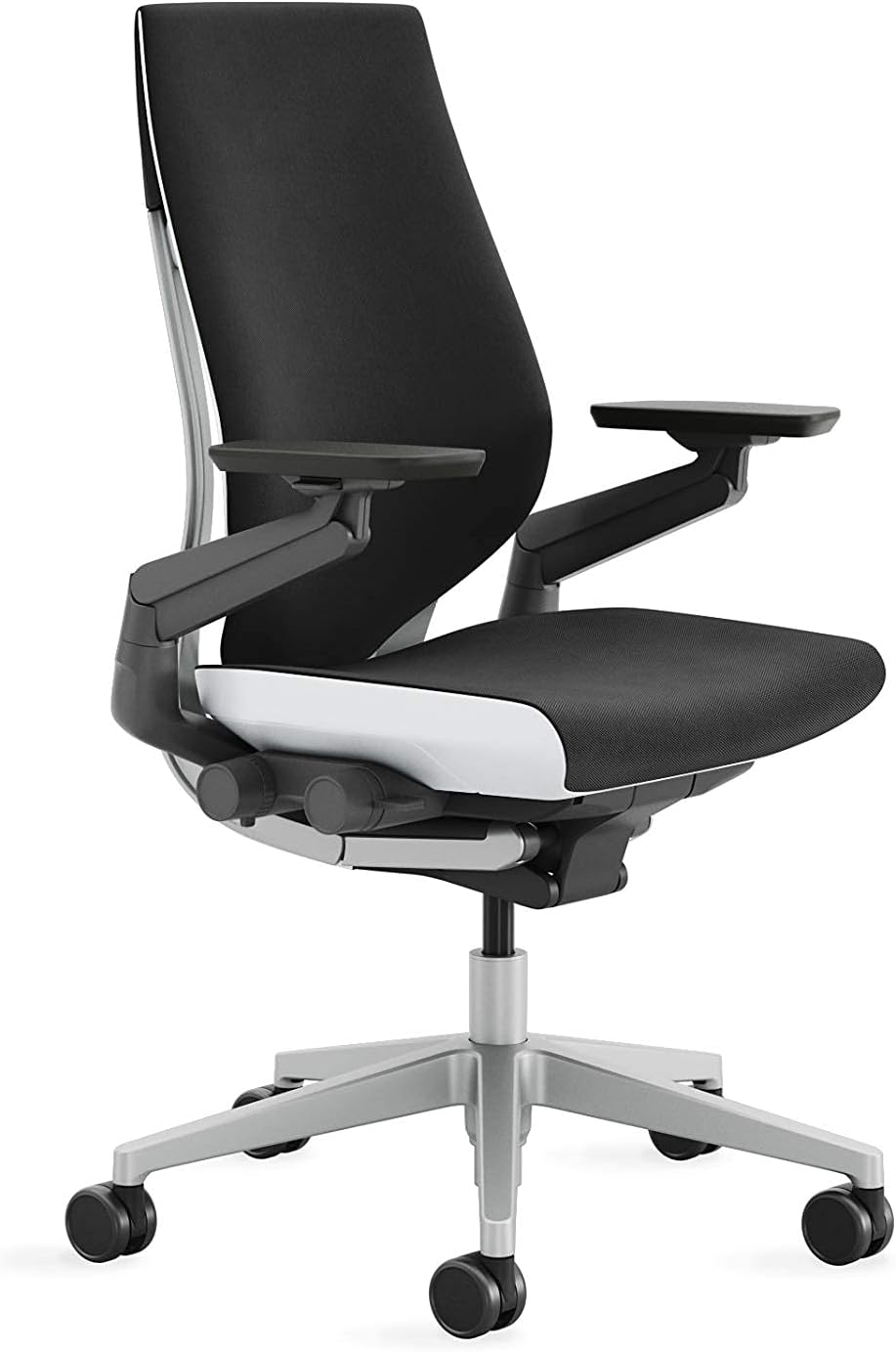
The gold standard in ergonomic seating. Used by top tech companies worldwide. 12-year warranty, adjustable lumbar support, and breathable mesh. I've had mine for 5 yearsβworth every penny for back health.
See Price & Reviews βBest value standing desk I've found. Electric height adjustment, memory presets, and rock-solid construction. I alternate between sitting and standing throughout the dayβgame changer for energy and focus.
Check Current Price β
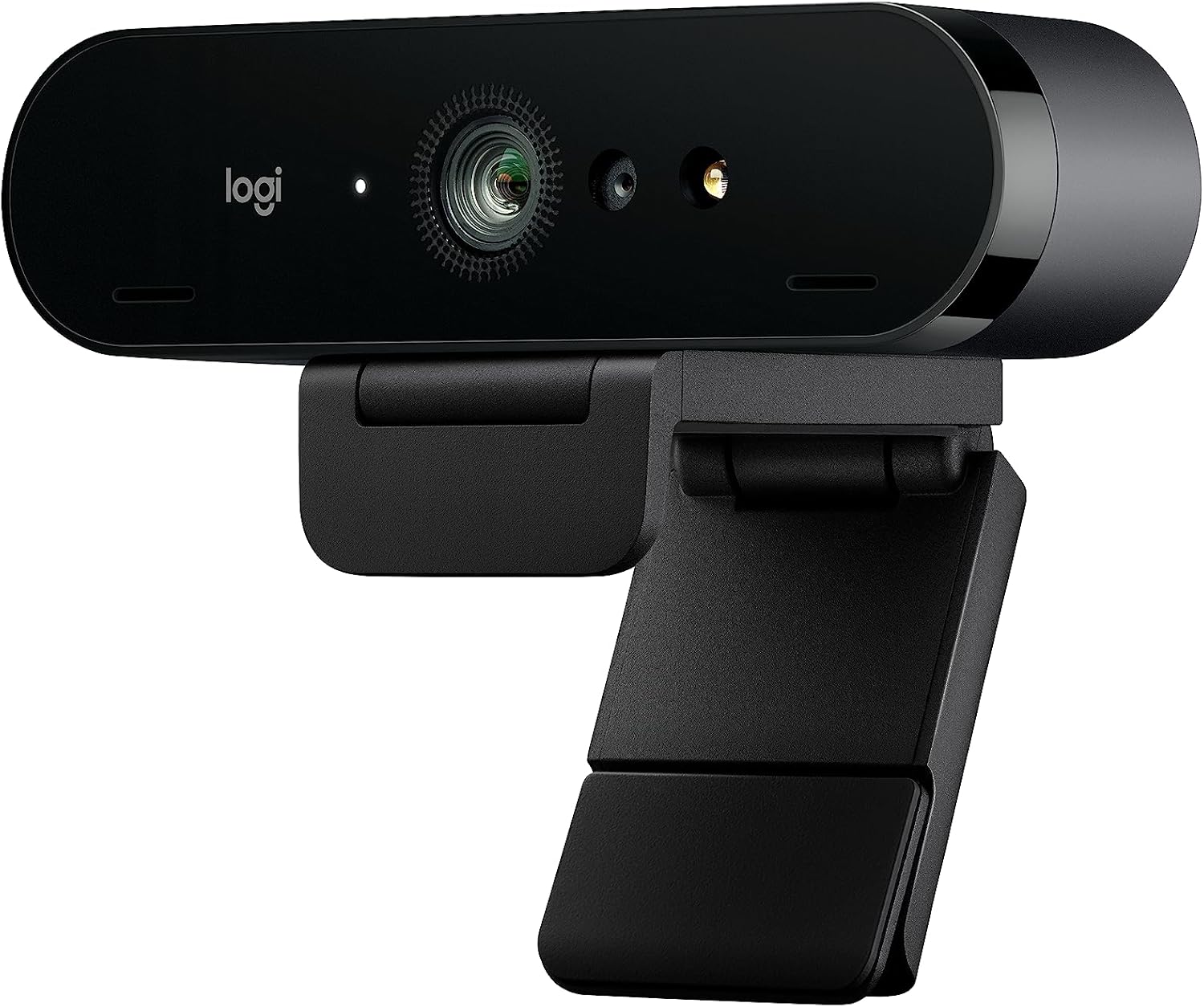
True 4K video quality that makes you look professional on every call. HDR, auto-focus, and excellent low-light performance. My clients always comment on my video qualityβthis webcam is why.
View Deals βIndustry-leading noise cancellation that blocks out everythingβconstruction, kids, barking dogs. 30-hour battery life, crystal-clear call quality. I wear these 8+ hours daily and they're still comfortable.
See Discounts βCrystal-clear 4K display that's a game-changer for productivity. USB-C connectivity, excellent color accuracy. I can't imagine working on a laptop screen anymoreβthe extra screen real estate is essential.
Compare Prices β
Premium felt material that protects your desk and adds serious style to your workspace. Makes your home office look professional on video calls. Small detail, big impact.
Shop Now βAs an Amazon Associate, we earn from qualifying purchases. View our complete home office setup guide β
Remote work creates unique financial considerations beyond salary negotiations. Understanding tax implications, optimizing business expenses, and planning for location-independent income requires specialized knowledge many traditional financial advisors lack.
Remote work taxes get complicated quickly, especially when working across state lines or internationally. If you live in one state while your employer is based in another, you might owe taxes in both statesβthough most states offer credits preventing double taxation. Some cities like New York City tax non-resident income for employees working for NYC-based companies, even if you never set foot in the city.
Digital nomads face particularly complex tax situations when working remotely while traveling internationally. The 183-day rule determines tax residency in most countries, while US citizens and green card holders must file US taxes regardless of where they live. Professional tax preparation specialized in remote work prevents costly mistakes and ensures compliance across jurisdictions.
π‘ Financial Planning for Remote Workers: Working remotely often means managing your own taxes, especially if you work across state lines. Check out our comprehensive remote work tax guide to understand state tax implications, home office deductions, and optimization strategies.
Complete guide to state taxes, nexus rules, and tax optimization for remote workers. Learn how to handle multi-state tax situations and maximize deductions.
Read Tax Guide βSee how remote work salaries vary by state and understand the tax implications of working from different locations. Make informed decisions about where to work.
View State Analysis βCompare cost of living, salaries, and quality of life in top remote work destinations. Find your perfect remote work city based on real data.
Explore Cities βRemote workers, especially contractors and freelancers, must proactively plan retirement since employer-sponsored 401(k) programs aren't available. Individual retirement accounts (IRAs) allow contributions up to $6,500 annually ($7,500 if over 50), while self-employed workers can contribute significantly more through Solo 401(k)s or SEP IRAsβup to $66,000 annually depending on income.
The location flexibility of remote work enables geographic arbitrage for retirementβearning income at developed-world salary levels while living in lower-cost countries. Many remote workers retire decades earlier by saving aggressively while working in the US, then relocating to countries like Portugal, Mexico, or Thailand where living costs are 50-70% lower.
Financial advisors typically recommend 3-6 months of expenses in emergency funds, but remote workers should target 9-12 months. Location independence means you might face sudden expenses relocating if situations change, returning to visit family for emergencies, or covering gaps between remote contracts. The flexibility remote work provides comes with income volatility requiring stronger financial buffers.
Moving from SF ($100K) to Austin could mean a salary adjustment to $68-75K β but your purchasing power often stays equal or increases due to lower housing costs.
A $95K NYC salary earning in USD while living in Lisbon or MedellΓn can provide 2-3x the purchasing power of the equivalent local salary.
Companies like GitLab, Automattic, and Shopify use location multipliers of 0.6-1.0x base salary. Knowing your multiplier before negotiating can mean $10,000-$30,000 more annually.
Join 10,000+ remote workers. Get our 2026 negotiation scripts PDF (5 email templates, 3 call scripts, worksheet) + salary tips weekly.
RemotePayCheck was built to solve a real problem: remote workers have no easy way to understand how location affects their salary and purchasing power. Our calculator uses publicly available cost of living indices from trusted sources including the Council for Community and Economic Research (C2ER) and Numbeo's global cost of living database.
We believe every remote worker deserves transparent, data-driven information before accepting a salary offer or relocation adjustment. This tool is free and always will be.